In the age of social media, appearance is more curated than ever. One of the most powerful tools in this visual evolution? Instagram filters. What began as playful, augmented reality (AR) enhancements—sparkles, dog ears, butterfly crowns—has now morphed into a suite of facial refinement tools: plumper lips, lifted brows, poreless skin, contoured cheeks, and perfectly symmetrical features.
While these filters may seem harmless or even fun, they are having a significant—and increasingly noticeable—impact on how people perceive beauty and, subsequently, on the cosmetic surgery industry.
The Rise of “Filter Face”
The term “Instagram Face” has been coined to describe a particular look that’s become ubiquitous across social platforms. Think smooth skin, high cheekbones, cat-like eyes, full lips, and a small, sculpted nose. Influencers, celebrities, and everyday users often use filters that mimic this aesthetic. Over time, these digitally enhanced faces can blur the line between online fantasy and offline reality.
This growing trend has led to a new phenomenon: Snapchat Dysmorphia (also used interchangeably with Instagram Dysmorphia), a term first introduced by dermatologists to describe patients seeking surgery to look like their filtered selfies.
Surgeons Are Seeing the Difference
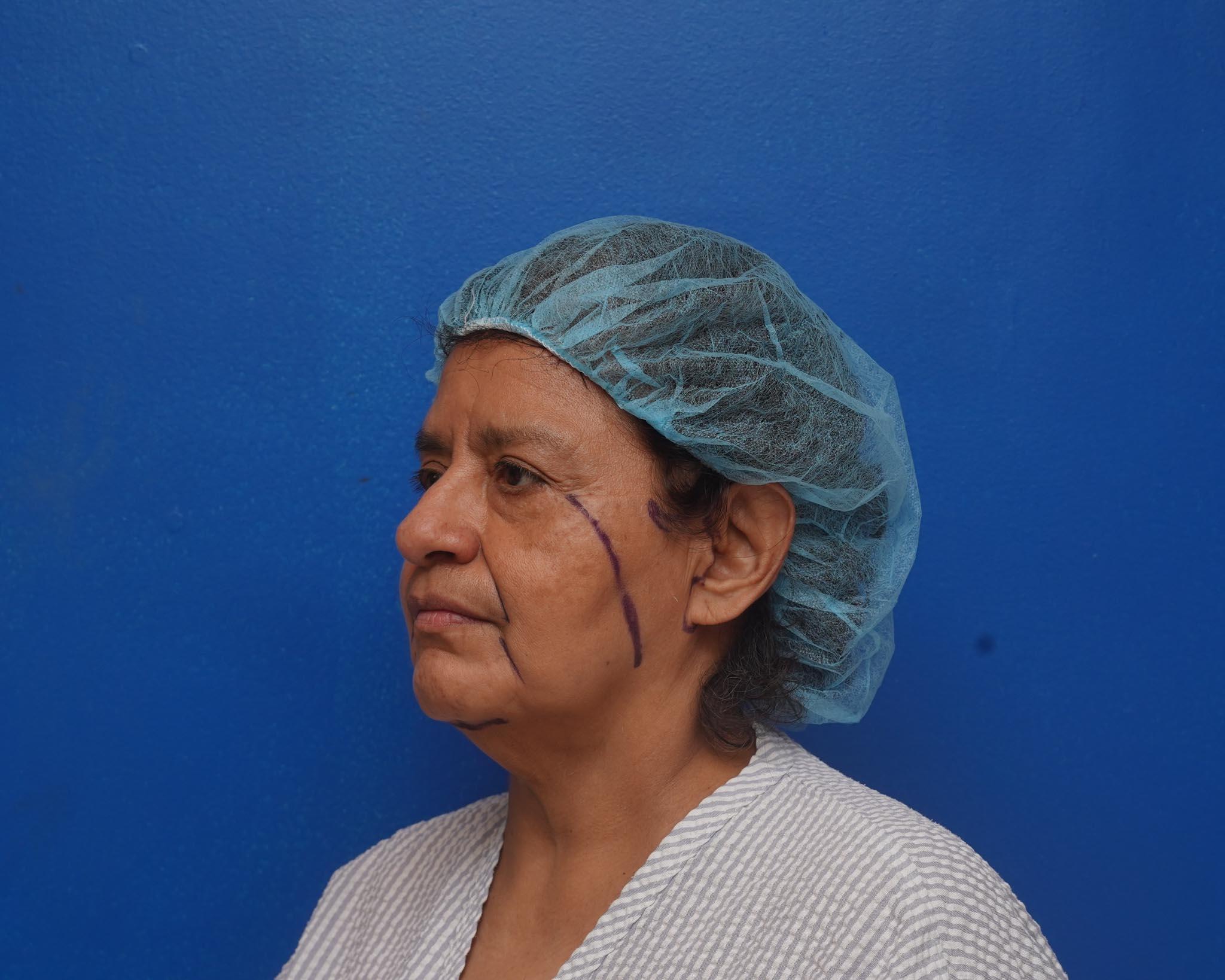
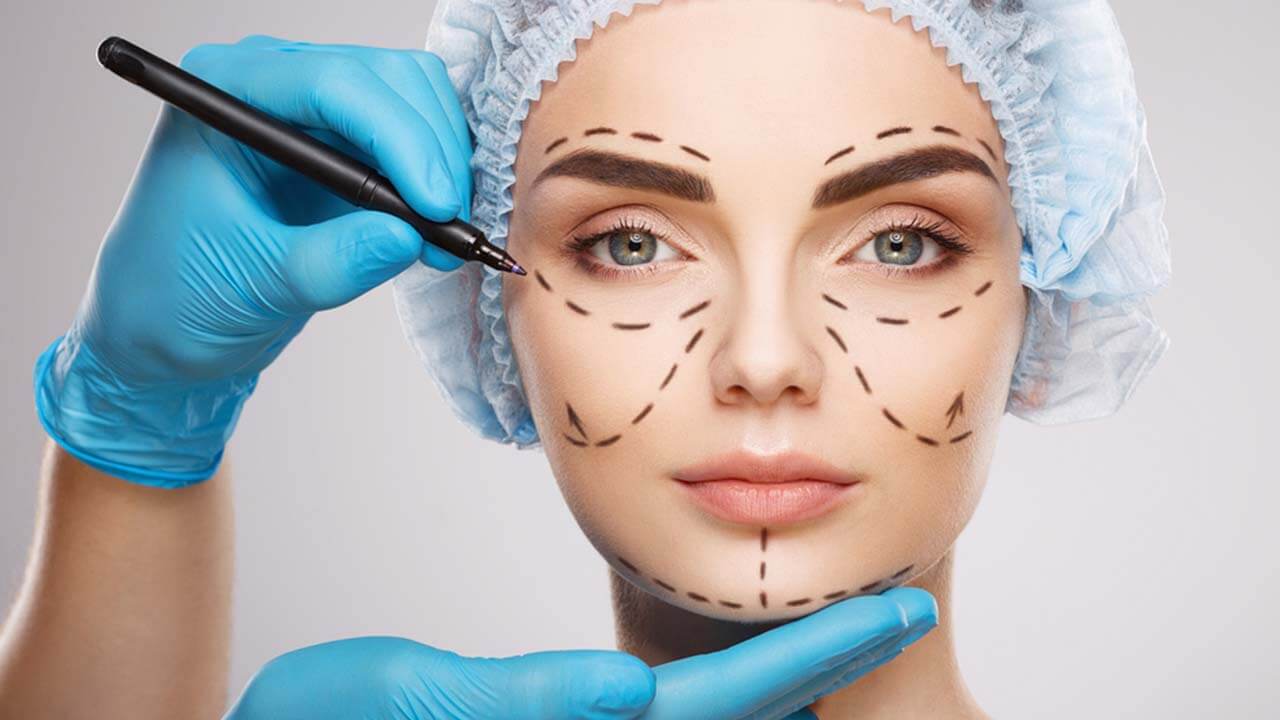
Cosmetic surgeons report a dramatic shift in patient requests. Where people once brought photos of celebrities for inspiration, they now show filtered versions of themselves. Instead of asking for a nose like Bella Hadid’s or lips like Angelina Jolie’s, patients increasingly want to look like the digitally perfected versions of their own faces.
Popular procedures influenced by filters include:
- Non-surgical nose jobs (liquid rhinoplasty)
- Lip fillers
- Jawline contouring
- Fox eye lifts (to elongate the eye shape)
- Cheek fillers for enhanced definition
The Psychology Behind It
At its core, the demand isn’t just about vanity—it’s deeply psychological. Filters provide a constant, easy escape into a “better” version of oneself. When users repeatedly see themselves with enhanced features, their perception of their natural appearance can become distorted.
This can lead to issues like:
- Body Dysmorphic Disorder (BDD)
- Decreased self-esteem
- Anxiety around posting unfiltered content
- Obsession with flaws that may not be noticeable to others
Younger Generations Are Most Affected
Gen Z, raised in a digital world, is especially vulnerable. With social validation (likes, comments, shares) often tied to appearance, the pressure to look “Insta-perfect” is relentless. Alarmingly, cosmetic procedures among younger demographics are on the rise—not to reverse aging, but to enhance features preemptively, aligning with filtered beauty standards.
Is There a Way Forward?
The solution isn’t to vilify filters or surgery, but to foster healthier relationships with beauty, both online and off. Here’s what can help:
- Digital Literacy: Educating users—especially teens—about how filters work and how they alter perception.
- Transparent Influencing: Encouraging creators to disclose filter use and celebrate natural beauty.
- Ethical Responsibility: Platforms like Instagram have begun restricting access to certain beauty filters that mimic surgical changes. It’s a step, though more needs to be done.
- Mental Health Support: Promoting open discussions about self-esteem, therapy, and body image.
Final Thoughts
Instagram filters have redefined modern beauty, but at a cost. While they allow for self-expression and creativity, their influence on real-world expectations—especially around cosmetic enhancement—is profound. As technology continues to shape how we see ourselves, balancing fantasy with reality has never been more crucial.